Keeping your equipment and assets in good working order is a big deal for any business. When things break down, it can really mess with your workflow and cost you a fair bit of money. You've probably heard a lot about asset maintenance, but sometimes it feels like a puzzle. Let's break down some common problems you might be facing and look at ways to sort them out, so you can keep things running smoothly.
Key Takeaways
Knowing what you have and where it is makes maintenance easier.
Not having enough money or people can be a real hurdle for upkeep.
Older gear often needs more attention and can be tricky to fix.
Fixing things only when they break isn't the best plan; think ahead.
Getting the right people trained up is important for good maintenance.
Understanding the Importance of Asset Maintenance
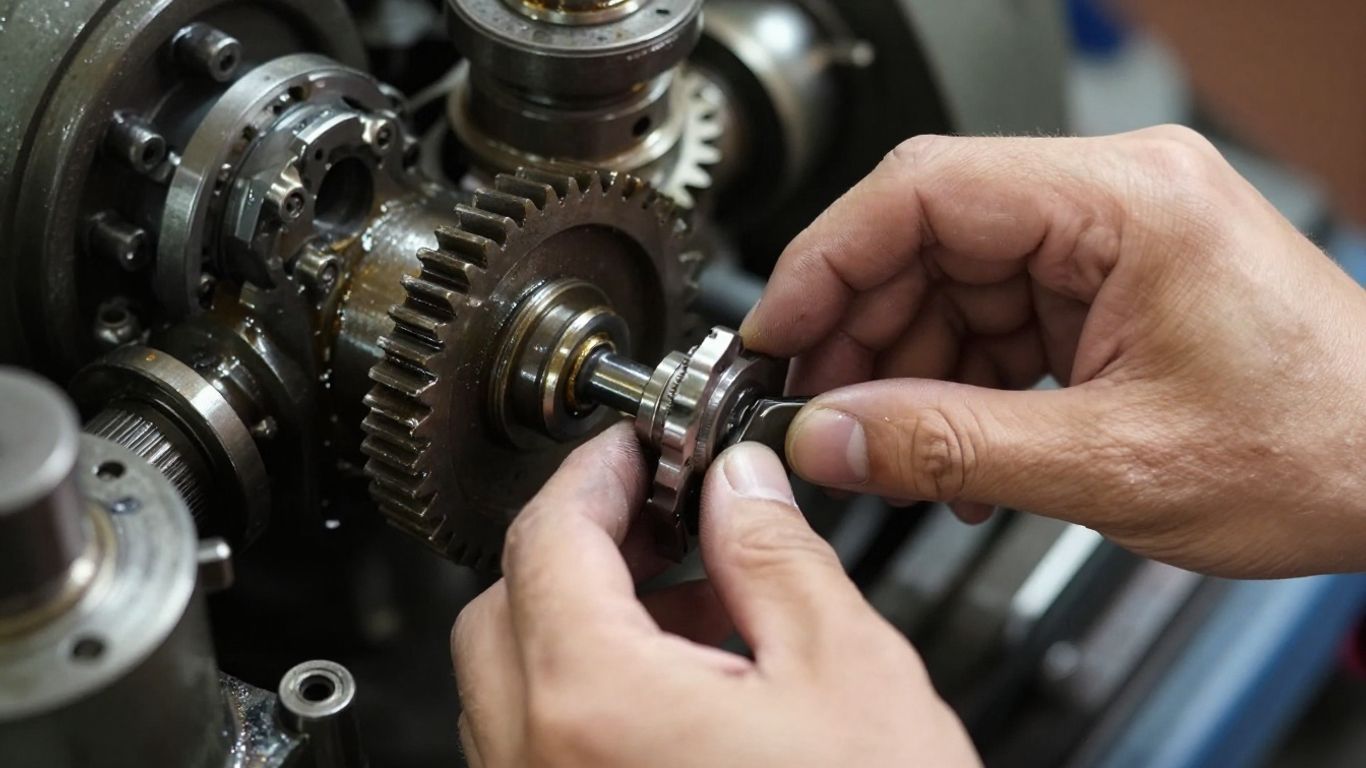
Look, you've got stuff, right? Assets. Whether it's the big machinery on your factory floor, the fleet of vehicles you rely on, or even the building you operate from, these things cost money. A lot of money. And if they break down, well, that's another cost, often a much bigger one. Proper maintenance isn't just about fixing things when they go kaput; it's about keeping them running smoothly in the first place.
Think about it. When your equipment is working as it should, your operations flow better. You're not dealing with unexpected downtime that grinds everything to a halt. This means you can actually get your work done, meet deadlines, and keep your customers happy. Reliable assets mean a reliable business.
Here’s a bit of a breakdown on why it matters so much:
Keeps things running: Simple, really. Good maintenance means less chance of breakdowns. This keeps your production lines moving, your services available, and your team productive.
Saves you cash: While maintenance costs money, unexpected repairs and lost production usually cost a whole lot more. Regular checks and upkeep can catch small issues before they become expensive disasters.
Makes your gear last longer: You didn't buy that expensive piece of kit to last just a few years, did you? Looking after it properly means it’ll serve you for its intended lifespan, and maybe even longer.
Safety first: Broken machinery or faulty systems can be seriously dangerous. Keeping everything in good nick protects your workers and anyone else around your assets.
Neglecting asset maintenance is like ignoring a small leak in your roof. It might seem minor now, but give it time, and you'll be dealing with water damage, mould, and a much bigger, more expensive problem to fix.
So, yeah, it’s not the most exciting part of running a business, but getting your asset maintenance sorted is pretty important if you want to avoid headaches and keep your operation ticking over nicely.
Common Asset Maintenance Challenges
Let's be honest, keeping your assets in tip-top shape isn't always a walk in the park. You're probably facing a few hurdles that make the job tougher than it needs to be. Understanding these common pain points is the first step to finding solutions.
Lack of Visibility and Data
Ever feel like you're working blindfolded? That's often down to a lack of clear visibility into your asset's condition and performance. Without good data, it's hard to know what's going on. You might not know when a piece of equipment is about to pack it in, or if you're spending too much on repairs for something that's just not worth it anymore. This data void makes informed decision-making nearly impossible.
Budget Constraints and Resource Allocation
Money talks, right? And often, the maintenance budget is one of the first things to get squeezed. You might have grand plans for proactive upkeep, but if the funds aren't there, those plans get shelved. This forces you into a reactive mode, fixing things only when they break, which usually ends up costing more in the long run. Deciding where to put your limited resources – on new equipment, preventative measures, or emergency repairs – is a constant juggling act.
Aging Infrastructure and Equipment
Your assets have a lifespan, and as they get older, they tend to need more attention. Think of it like an old car; it might have served you well for years, but eventually, the repairs start piling up. Older machinery can be less efficient, more prone to breakdowns, and sometimes, parts are hard to find. Replacing aging infrastructure is a big undertaking, both in terms of cost and disruption.
Reactive vs. Proactive Maintenance Strategies
This is a big one. Many organisations fall into the trap of reactive maintenance – waiting for something to fail before fixing it. It seems cheaper in the short term, but it often leads to unexpected downtime, production losses, and higher repair bills. Proactive maintenance, like scheduled servicing and inspections, aims to prevent problems before they happen. It requires planning and investment, but it usually saves you headaches and money down the line.
Skills Gap and Training Needs
Do your team members have the right skills to handle the maintenance tasks required? With new technologies and more complex equipment coming online, there's often a gap between the skills needed and the skills available. This can mean tasks aren't done correctly, leading to further issues, or you might be relying on a few key people who are stretched too thin.
Regulatory Compliance and Safety Standards
Keeping up with all the rules and regulations can be a headache. Whether it's environmental standards, workplace safety laws, or industry-specific requirements, non-compliance can lead to hefty fines, legal trouble, and damage to your reputation. You need to make sure your assets are not only working well but also meeting all the necessary safety and legal benchmarks.
It's easy to get bogged down by these challenges. You might feel like you're constantly firefighting, trying to keep things running with limited resources and information. The key is to recognise these issues for what they are – common problems that many businesses face, and more importantly, problems that can be solved with the right approach and tools.
Strategies to Overcome Asset Maintenance Challenges
So, you've identified the headaches in keeping your assets in top nick. Now, let's talk about how you can actually fix them. It's not about magic wands, but smart moves.
Why use EQUIPR Guardian?
Look, managing assets can get messy. You've got bits and pieces everywhere, and keeping track of what needs what, when, is a job in itself. EQUIPR Guardian is designed to cut through that chaos. It's like having a really organised assistant who never sleeps, keeping an eye on all your equipment.
It gives you a clear picture of everything. No more guessing games about where your assets are or what condition they're in.
It helps you plan maintenance before things break. This saves you heaps of time and money down the track.
It keeps records neat and tidy. All your service history, manuals, and schedules in one spot.
EQUIPR Guardian aims to simplify your maintenance workflow, making it easier to see what's going on and act before a small issue becomes a big problem. It’s about making your life easier and your assets last longer.
Adopting Predictive and Prescriptive Maintenance
We've all been there – waiting for something to break before fixing it. That's reactive maintenance, and it's a costly way to operate. Predictive and prescriptive maintenance are the smarter alternatives.
Predictive Maintenance: This is about using data to guess when something might fail. Think sensors on machines that tell you if a part is wearing out. You get an alert, and you can schedule a fix during a quiet period, not when it's causing a shutdown.
Prescriptive Maintenance: This takes it a step further. It doesn't just tell you when something might fail, but why, and what you should do about it. It's like having a mechanic who not only spots a problem but also tells you the best way to fix it and prevent it from happening again.
The goal here is to move from fixing things after they break to preventing them from breaking in the first place. This means less downtime, fewer emergency repairs, and happier teams.
Investing in Training and Skill Development
Let's be honest, the tech and methods for asset maintenance are always changing. If your team isn't up to speed, you're going to struggle. You need people who know how to use the new tools and understand the modern approaches.
Upskill your current team: Offer training on new software, diagnostic tools, and maintenance techniques. This shows you value them and keeps their skills sharp.
Hire for specific skills: If there's a gap you can't fill internally, look for people with the right experience, especially in areas like data analysis for predictive maintenance.
Create a learning culture: Encourage sharing knowledge and continuous learning. Maybe set up regular team meetings to discuss challenges and solutions.
It’s not just about having the right gear; it’s about having the right people to use it effectively. A well-trained team is your best asset when it comes to keeping other assets running smoothly.
Why Choose EQUIPR?
So, you've looked at the challenges, and maybe you're thinking, 'This all sounds a bit much.' That's where EQUIPR comes in. We built this system because we saw firsthand how much of a headache asset maintenance can be. EQUIPR Guardian is designed to simplify things, making your life easier and your assets run better.
Think about it. You've got assets scattered everywhere, different ages, different needs. Keeping track of it all, knowing when something needs a look-in, or worse, when it's about to break down – it's a full-time job on its own. EQUIPR gives you that clear picture, all in one place.
Here’s what you get:
Centralised Asset Data: All your asset information, history, and maintenance schedules in one spot. No more digging through spreadsheets or old paper files.
Smart Maintenance Scheduling: Get reminders and alerts for routine checks and planned work, so you're always ahead of the game.
Performance Tracking: See how your assets are performing over time. Spot trends, identify issues before they become big problems.
Improved Resource Management: Know where your team's time and budget are best spent. Reduce wasted effort on unnecessary tasks.
We know that sometimes, the best way to explain something is to show you. That's why we focus on making EQUIPR easy to use, even if you're not a tech whiz. We want you to be able to jump in and see the benefits straight away.
Choosing the right maintenance system isn't just about ticking boxes; it's about making sure your operations run smoothly and safely. It's about saving money in the long run by avoiding costly breakdowns and downtime. EQUIPR aims to be that reliable partner for you.
Ultimately, we want you to spend less time worrying about maintenance and more time focusing on what you do best. EQUIPR is built to help you do just that.
Wrapping Up: Keeping Your Assets in Shape
So, we've looked at some of the tricky bits when it comes to looking after your equipment. It's not always easy, is it? From keeping track of everything to making sure you've got the right people and tools, there are definitely hurdles. But, as you've seen, there are practical ways to get around them. Thinking ahead, using the right tech, and training your team can make a big difference. It might take a bit of effort to get things running smoothly, but a well-maintained asset is a happy asset, and that means fewer headaches for you down the track. Give these ideas a go, and you'll likely find your maintenance tasks become a lot less of a chore.
Frequently Asked Questions
Why is looking after your equipment so important?
Keeping your gear in good nick is super important because it helps you avoid unexpected breakdowns. When things break down, it can cost you a lot of time and money to fix them, and it can even stop your work altogether. Plus, well-maintained gear lasts longer, saving you cash in the long run.
What's the biggest headache when it comes to maintaining stuff?
One of the trickiest parts is not really knowing what's going on with your equipment. If you don't have good records or a clear picture of your gear's condition, it's hard to know when something needs attention. This can lead to fixing things only when they're already broken, which is usually more expensive and disruptive.
How can I fix things if I don't have enough money or people?
It's a common problem! To stretch your budget and team, try to be smart about where you spend your money. Focus on the gear that's most critical to your operations. Sometimes, using technology to predict problems before they happen can save you money on emergency repairs, which frees up funds for other important tasks.
What if my equipment is really old?
Older gear can be a real challenge. Sometimes, it's more prone to breaking down. You'll need to keep a close eye on it and be ready for more frequent checks. For really old or unreliable items, you might need to start thinking about replacing them before they cause major issues.
Is it better to fix things when they break or check them regularly?
Fixing things only when they break, called 'reactive maintenance,' is usually not the best way. It's often much smarter to be 'proactive' or even 'predictive.' This means doing regular checks and using smart tools to guess when a problem might pop up, so you can fix it *before* it causes trouble.
What if my team doesn't know how to use new maintenance tools?
This is a big hurdle! You need to make sure your team has the right skills. This means investing in training so they can learn how to use new equipment and software. A well-trained team can spot problems early and keep things running smoothly, making everyone's job easier.