Managing a fleet of cranes can feel like juggling chainsaws sometimes, right? Keeping track of where everyone is, who's doing what, and making sure jobs get done on time is a big ask. If you're looking for a simpler way to run your crane operations, you've landed in the right spot. We're going to talk about crane dispatch software, which is basically a digital organiser for your whole setup. It helps you see everything happening in real-time and makes getting the right crane to the right job much easier. Let's get into it.
Key Takeaways
- Crane dispatch software helps you manage your crane operations from start to finish.
- You can see where all your cranes are and what they're doing at any moment.
- It can automatically sort out who goes where and when, saving you heaps of time.
- Better communication tools mean your team stays connected and on the same page.
- Using this kind of software can make your business run smoother, safer, and cost less.
What is Crane Dispatch Software?
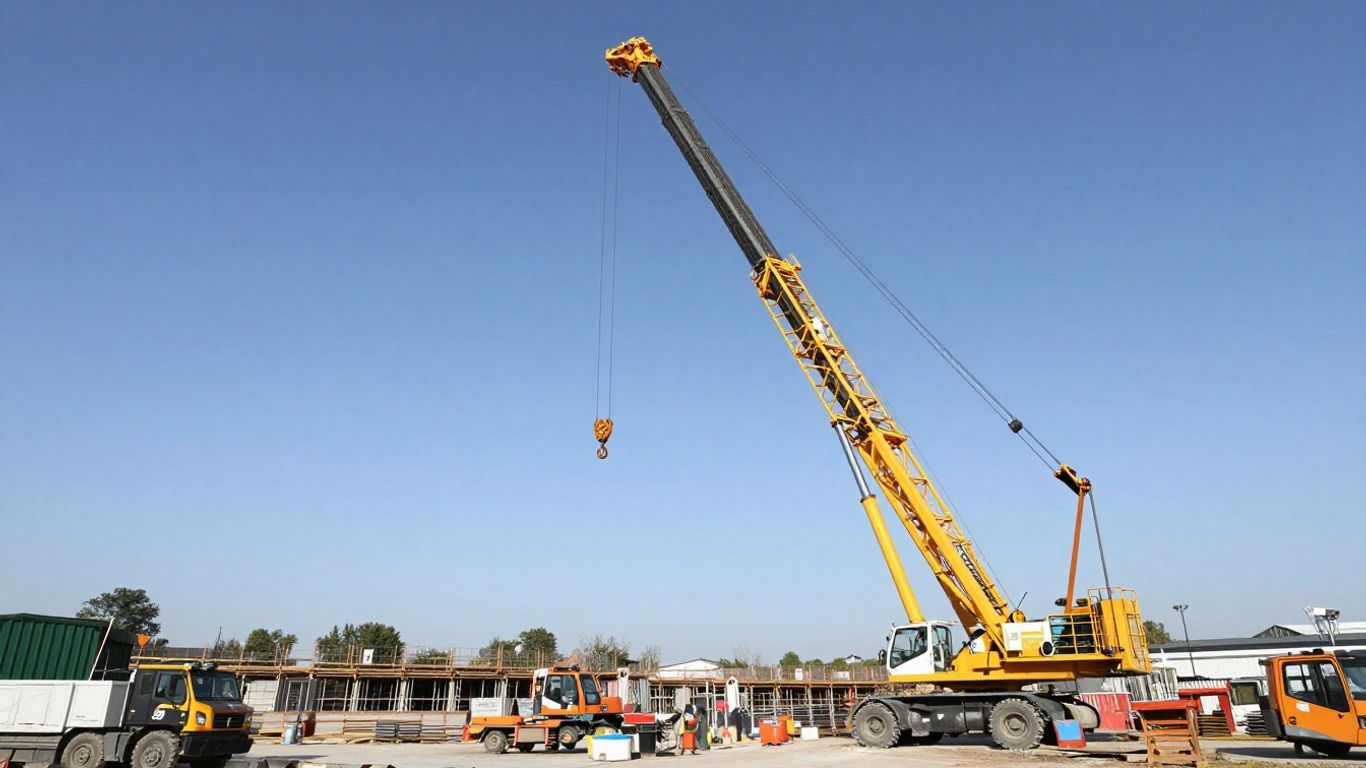
So, you're running a crane operation, and things are getting a bit hectic? You've got cranes moving, jobs popping up, and keeping track of it all can feel like juggling chainsaws. That's where crane dispatch software comes in. Think of it as your central command centre for everything crane-related. It's a digital tool designed to help you manage your fleet, schedule jobs, and communicate with your team, all in one place.
Key Features of Crane Dispatch Software
This kind of software isn't just a fancy digital logbook. It's packed with features to make your life easier. Here are some of the main things you'll find:
- Real-Time Tracking and Monitoring: This is a big one. You can see exactly where all your cranes are at any given moment. No more guessing games or endless phone calls trying to find out if a crane is on its way or already on site. It's like having a live map of your entire operation.
- Automated Scheduling and Dispatching: Forget scribbled notes and missed appointments. The software helps you assign the right crane to the right job at the right time. It can even automate parts of the dispatch process, saving you heaps of time.
- Communication and Collaboration Tools: Keeping everyone in the loop is vital. These tools allow your dispatchers, operators, and even clients to communicate effectively. Think instant messages, job updates, and shared documents, all within the system.
- Data Analytics and Reporting: Want to know how productive your cranes really are? Or where you're spending too much? This software collects data on everything, giving you reports that can help you make smarter business decisions. You can see things like crane utilisation rates and job profitability.
The goal of crane dispatch software is to bring order to the chaos of managing a mobile fleet. It aims to streamline operations, reduce errors, and give you a clearer picture of your business performance.
Real-Time Tracking and Monitoring
Imagine this: a client calls needing a crane ASAP. Instead of frantically trying to locate your nearest available unit, you pull up your software. A map shows all your cranes, their current status (idle, en route, on job), and even their fuel levels. You can quickly identify the best crane for the job and give the client an accurate ETA. This level of visibility is a game-changer for customer service and operational efficiency. It means you're not just reacting to problems; you're proactively managing your resources. This is a core part of modern fleet management.
Automated Scheduling and Dispatching
Manually scheduling jobs can be a real headache. You have to consider crane availability, operator qualifications, travel times, and job requirements. Crane dispatch software takes a lot of that guesswork out. You can set up job details, and the system can suggest the most suitable crane and crew. Some systems even allow for drag-and-drop scheduling, making it super intuitive. This automation means fewer mistakes, less downtime, and more jobs completed efficiently. It’s about getting the right equipment to the right place without the usual back-and-forth.
Communication and Collaboration Tools
When your team is spread out across different sites, clear communication is everything. Crane dispatch software acts as a central hub for all your team's communications. Dispatchers can send job details directly to operators' mobile devices. Operators can provide updates, log their hours, and even submit photos of completed work. This keeps everyone on the same page and reduces the chances of miscommunication. It’s about making sure everyone has the information they need, when they need them. This is where you can really see the benefits of a system like EQUIPR operations software.
Data Analytics and Reporting
Numbers don't lie, and this software gives you access to a goldmine of data. You can track key performance indicators (KPIs) like crane utilisation, job profitability, maintenance schedules, and fuel consumption. These reports help you identify trends, spot inefficiencies, and make informed decisions about your business. For example, you might discover that a particular crane model is costing you more in maintenance than it's earning, prompting you to consider replacing it. Understanding these metrics is key to growing your business and staying competitive.
Benefits of Implementing Crane Dispatch Software
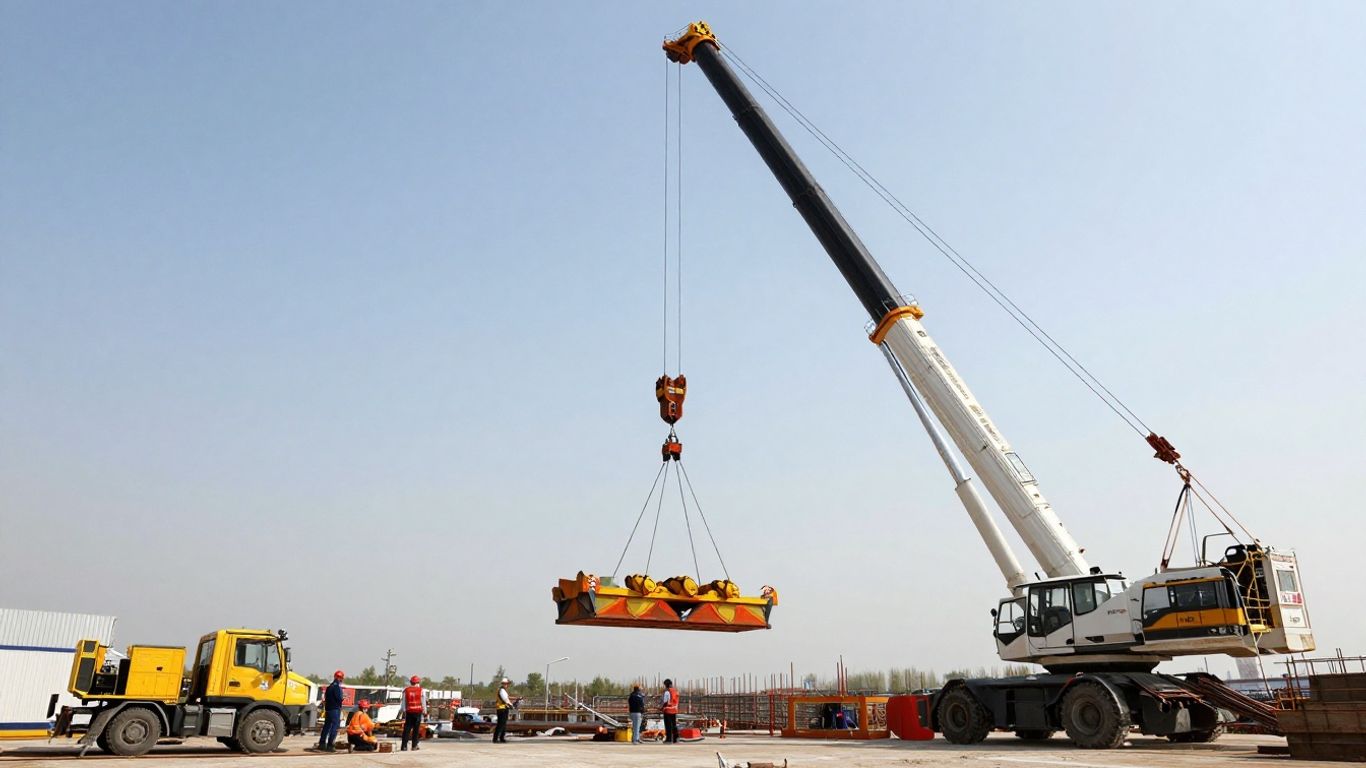
So, you're thinking about getting some crane dispatch software. It might seem like just another bit of tech to learn, but honestly, the upsides can really change how your business runs. You're probably wondering if it's worth the effort, right? Let's break down what you stand to gain.
Increased Efficiency and Productivity
This is usually the big one. When your dispatching is all over the place, with phone calls, texts, and scribbled notes, things get missed. Cranes sit idle, jobs get delayed, and your team spends more time on admin than actual work. With good software, you can see everything in one place. You get a clear view of your crane availability, job schedules, and operator locations. This means you can slot in jobs more effectively, reduce travel time between sites, and keep your equipment working as much as possible. Imagine cutting down on those 'where's the crane?' calls by half. It frees up your dispatchers to handle more complex issues or even just take a breather.
Improved Safety and Compliance
Safety is non-negotiable in the crane industry, and software can play a big part. You can track operator licenses, certifications, and inductions, making sure only qualified people are assigned to jobs. Plus, real-time tracking means you know where your cranes are at all times, which is handy for emergencies or just general oversight. Some systems even help with lift planning, ensuring that complex jobs are properly assessed before they start. This kind of structured approach helps you meet industry regulations and reduces the risk of accidents. It's about having a digital safety net.
Reduced Operational Costs
When you're more efficient, you naturally spend less money. Less idle time for cranes means you're getting more value from your assets. Better scheduling means less overtime for drivers and operators. Reduced paperwork and manual data entry save on administrative staff time. You might also see savings on fuel due to more optimised routes and less backtracking. Over time, these small savings add up, making a real difference to your bottom line. It's not just about making more money; it's about spending less to do the same amount of work. For businesses in Australia, looking at solutions like EQUIPR for crane hire can really help manage these costs.
You might think that new software means a big upfront cost and a steep learning curve. While there's always an adjustment period, the long-term savings in efficiency, reduced errors, and better resource management often far outweigh the initial investment. It's about working smarter, not just harder.
Here's a quick look at potential savings:
| Area of Cost | Potential Reduction |
|---|---|
| Idle Crane Time | 10-20% |
| Administrative Overhead | 15-25% |
| Fuel Consumption | 5-10% |
| Overtime Pay | 10-15% |
These figures are estimates, of course, and will vary depending on your specific operations. But they give you an idea of the impact good software can have. It's about making sure every dollar you spend is working for you.
Choosing the Right Crane Dispatch Software for Your Business
So, you're looking into crane dispatch software, eh? Good move. But with so many options out there, how do you pick the one that actually fits your business like a glove? It’s not just about ticking boxes; it’s about finding a tool that makes your day-to-day operations smoother, not more complicated.
First off, think about what you actually need. Don't get swayed by fancy features you'll never use. What are your biggest headaches right now? Is it keeping track of where your cranes are? Are your dispatchers drowning in phone calls and scribbled notes? Maybe it's the paperwork for job dockets and compliance checks that's driving you mad.
Here’s a quick checklist to get you started:
- Ease of Use: Can your team actually use it without needing a degree in computer science? A clunky interface will just slow everyone down.
- Scalability: Will the software grow with your business, or will you outgrow it in a year?
- Support: When something goes wrong (and it will), can you get help quickly? Especially if you're in Australia, local support is a big plus.
- Integration: Does it play nicely with your existing accounting software, like Xero or MYOB? You don't want to be double-entering data.
- Specific Features: Does it handle the unique needs of crane operations, like tracking specific equipment, certifications, or job site requirements?
Don't just look at the price tag; consider the total value it brings to your operation. A cheaper system that causes more problems than it solves is no bargain at all.
Think about the core functions you need. Most good systems will offer:
- Real-time tracking of your fleet.
- Automated scheduling and dispatching capabilities.
- Digital dockets and compliance forms.
- Reporting and analytics to see how things are going.
It’s also worth considering how the software handles communication. Can your drivers and dispatchers easily share updates? This is where a lot of time gets saved, cutting down on phone tag and misunderstandings. For example, a system like EQUIPR is designed specifically for Australian plant hire and crane hire businesses, aiming to streamline all these processes.
Before you sign anything, ask for a demo. See the software in action with scenarios relevant to your business. Get your key team members involved in the trial – the people who will actually be using it every day. Their feedback is gold. If it feels like a good fit and solves your main problems, you're probably on the right track.
Ultimately, the best software is the one that your team will actually use and that makes your business run more efficiently. It should feel like a helpful tool, not another burden.
The Future of Crane Dispatch Software
So, where's all this crane dispatch tech heading next? It's pretty exciting, honestly. We're seeing a big push towards even smarter systems, the kind that don't just react but actually predict what you'll need before you even know it yourself. Think AI and machine learning getting really good at figuring out the best crane for the job, the optimal route, and even anticipating maintenance needs. This proactive approach is going to change how you manage your fleet.
We're also looking at more integration. Your dispatch software won't just be a standalone tool; it'll talk to everything else – your project management software, your inventory systems, even weather forecasts. This means fewer manual data entries and a much clearer picture of your entire operation. Imagine your dispatch system automatically adjusting schedules based on an incoming storm warning, or ordering parts when a crane hits a certain usage threshold.
Here are a few things you can expect to see more of:
- Advanced predictive analytics: Moving beyond just reporting what happened to forecasting what will happen.
- Enhanced automation: More tasks handled automatically, freeing up your team for complex problem-solving.
- Greater connectivity: Software that plays nicely with a wider range of other business tools.
- Improved user interfaces: Making these powerful systems easier for everyone to use, not just the tech wizards.
The trend is definitely towards making your crane operations more autonomous and data-driven. It's about getting the right crane, to the right place, at the right time, with the least amount of fuss, all guided by smart technology. This kind of forward-thinking can really help with managing your fleet.
It’s not just about having the latest gadgets, though. It’s about how these advancements translate into real-world benefits for you. We're talking about making your job easier, your operations safer, and your bottom line healthier. The future looks pretty streamlined, and frankly, that's a good thing for everyone involved in the construction and logistics game.
Why choose EQUIPR?
When you're looking for a way to really get a handle on your crane operations, you've got to consider what EQUIPR brings to the table. It's not just another piece of software; it's built from the ground up for businesses like yours, the ones that deal with plant and crane hire day in and day out.
EQUIPR Core is an all-in-one operations platform designed for plant and crane hire businesses. It bundles together all the bits and pieces you need to run things smoothly. Think scheduling, dispatching, keeping track of dockets, making sure you're compliant with all the rules, and even sorting out your invoicing. It’s all there, in one spot.
What makes it stand out is how it tackles the day-to-day grind. You get:
- Streamlined Dispatching: No more juggling phone calls and spreadsheets. EQUIPR helps you get the right crane to the right job at the right time, with all the details sorted.
- Real-Time Visibility: You can see where your cranes are and what they're doing, which is a massive help for managing your fleet and responding to unexpected changes.
- Simplified Compliance: Keeping track of certifications, maintenance, and safety checks can be a headache. EQUIPR keeps all that information organised and accessible, so you're always ready for an audit or inspection.
- Efficient Docket Management: Forget lost paperwork. Digital dockets mean faster processing and fewer errors.
It’s about taking the chaos out of your operations and putting a clear, organised system in its place. This means less time spent on admin and more time focused on growing your business and keeping your clients happy.
If you're tired of piecing together different systems or relying on manual processes, EQUIPR offers a more integrated approach. You can check out EQUIPR Core to see how it can fit into your workflow.
Wrapping Up
So, you've seen how crane dispatch software can really change how you run things. It's not just about moving things around anymore; it's about doing it smartly and quickly. By getting this kind of system in place, you're setting yourself up for smoother days and fewer headaches. Think about it – less waiting, better use of your cranes, and happier clients. It's a big step, sure, but the payoff in efficiency and control is pretty clear. You'll be able to keep a closer eye on everything, making sure your operations are running like a well-oiled machine. It’s about making your job easier and your business stronger.
Frequently Asked Questions
What exactly is crane dispatch software?
Think of it like a smart brain for managing your cranes. It's a computer program that helps you keep track of where all your cranes are, what jobs they're doing, and when they need to move to a new site. It makes organising everything a whole lot easier and faster.
How does this software help you see where your cranes are?
It uses GPS and other tech to show you the live location of each crane on a map. This means you always know which crane is closest to a new job or if one is taking longer than expected. No more guessing games!
Can it actually tell the cranes where to go?
Absolutely! The software can automatically figure out the best crane for a job based on its location, availability, and the job's needs. Then, it sends the instructions straight to the crane operator, saving you heaps of time on phone calls.
Does it help crane operators and the office talk to each other?
You bet. It provides a direct line of communication, like a built-in messaging system. Operators can send updates, and the office can send new instructions, all within the same program. This keeps everyone on the same page.
What kind of information can you get from this software?
Loads of useful stuff! It collects data on how long jobs take, how much fuel cranes use, and any issues that pop up. You can then look at reports to see where you can save money or make things run smoother.
Is this software hard to learn and use?
Most modern crane dispatch software is designed to be pretty user-friendly. While there's a bit of a learning curve, they often have simple interfaces and clear instructions, making it manageable for most people to get the hang of it pretty quickly.